Does Sheep's Milk Cheese Contain Lactose? A Guide for the Sensitive
Published
Yes, sheep's milk cheese contains lactose, because sheep's milk naturally contains it. The amount that remains varies with aging, though: a firm sheep's milk cheese, like those made in…
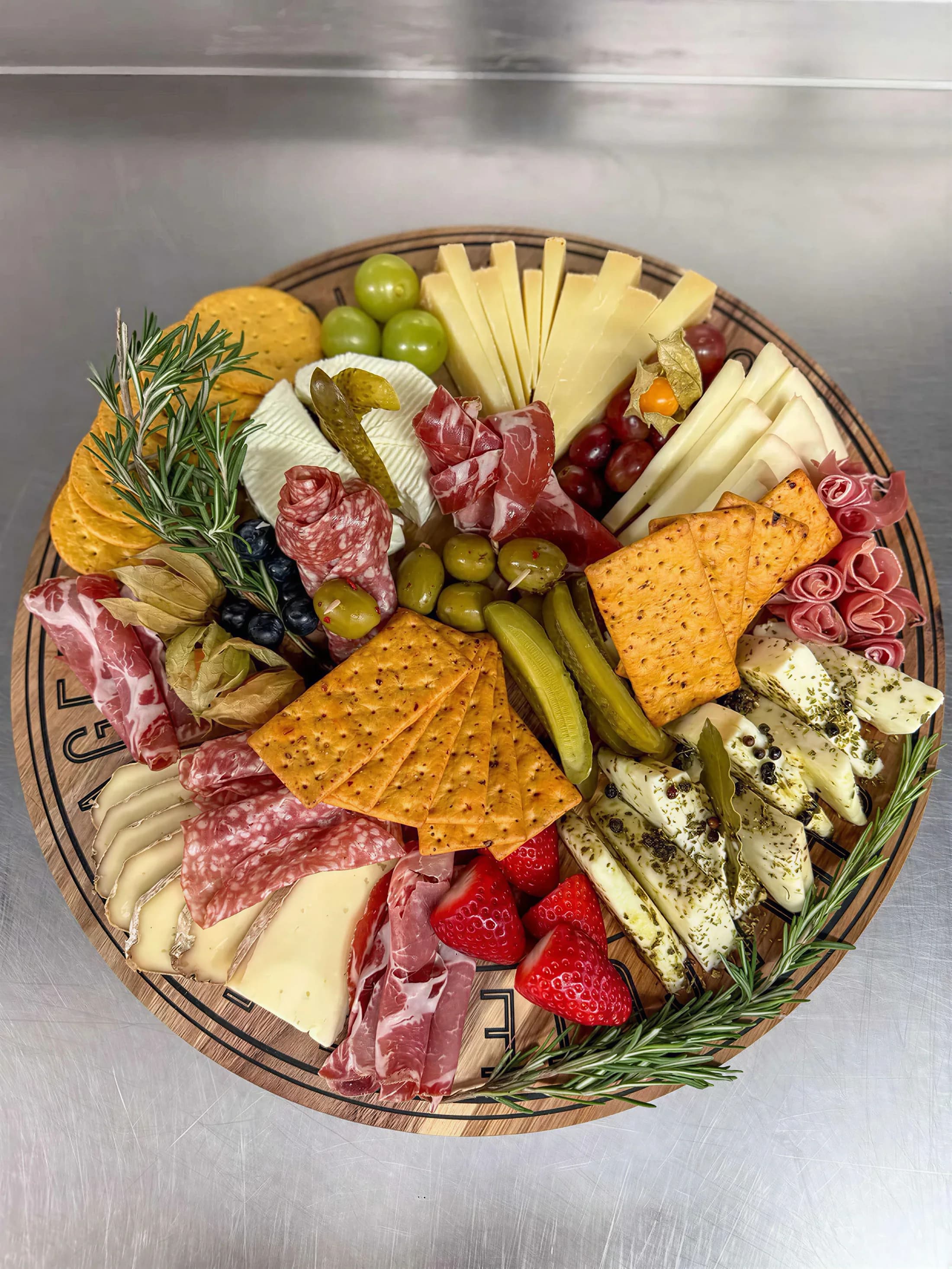
Yes, sheep's milk cheese contains lactose, because sheep's milk naturally contains it. The amount that remains, however, varies with aging: a firm sheep's milk cheese, like those made in Sainte-Hélène-de-Chester, generally contains less than a fresh cheese. Here's how to choose based on your sensitivity.
Does sheep's milk contain lactose like other milks?
Yes. Sheep's milk, just like cow's milk and goat's milk, naturally contains lactose. There's no common animal milk that's entirely free of it. Switching from cow's milk to sheep's milk doesn't solve a lactose intolerance on its own: it changes the texture, the flavour, and sometimes individual tolerance, but not the nature of the sugar present in the milk.
This is an important point to clarify right away, because you often hear that sheep's milk cheese is "lactose-free." That's not accurate. What actually varies is the amount of lactose that remains once the cheese is made and aged.
Firm versus soft: what changes for lactose
During cheesemaking, a good portion of the lactose leaves with the whey during draining. The longer a cheese is aged, the more the bacteria present continue to break down the lactose that remains over time. That's why a firm sheep's milk cheese, well aged, generally contains less residual lactose than a young or fresh cheese.
Conversely, a fresh cheese retains more moisture, and therefore more whey, which means more residual lactose. It's a useful general rule to guide your choices, but it doesn't replace checking on a case-by-case basis according to your own tolerance.
Feta, ricotta, and other fresh sheep's milk cheeses
At Fromagerie La Moutonnière, in Sainte-Hélène-de-Chester, the lineup includes fetas, a ricotta, and Royogourt, along with about a dozen firm and soft cheeses. The fetas and the ricotta are among the fresher products, so approach them with caution if you're very sensitive to lactose.
It's also worth noting that not every cheese in the lineup is pure sheep's milk. Le Sein d'Hélène, for example, is made from a blend of sheep's milk and cow's milk. If you're specifically looking for sheep's milk cheese, check each product's description before adding it to your cart.
Putting together a board for lactose-sensitive guests
If you're hosting and some guests don't tolerate lactose well, a few simple choices can help:
- Favour firm, well-aged sheep's milk cheeses over fresh ones.
- Serve fetas and ricotta in small portions rather than as the centrepiece.
- Offer neutral accompaniments (fruit, crackers, honey) that don't mask the cheese but let everyone control their portion.
- If a guest has a known and significant intolerance, invite them to taste a small amount first rather than assuming any sheep's milk cheese will automatically work for them.
These tips remain general: they don't replace advice from a health professional for someone with a diagnosed intolerance.
A good compromise, not a guarantee
At Fromagerie La Moutonnière, the team often describes sheep's milk cheese as a good compromise for people who digest cow's milk lactose poorly, without ever claiming it's lactose-free. This is an important nuance: some people report tolerating aged sheep's milk cheese better, but it depends on each person's body, the type of cheese, and the amount eaten.
To explore the options, you can browse our online shop and compare firm cheeses, soft cheeses, and fresh cheeses based on your needs. You'll also find our recipes and explanations about sheep's milk in the cheesemaker's journal, if you'd like to dig deeper before ordering.
FAQ
Related reading:
Frequently asked questions
- Does sheep's milk cheese really contain lactose?
- Yes, as La Moutonnière explains, sheep's milk naturally contains lactose, so all sheep's milk cheeses contain it too, in varying amounts depending on the type. A firm, well-aged sheep's milk cheese generally retains less than a fresh cheese like feta or ricotta.
- Which cheese has no lactose?
- No cheese is guaranteed to be completely lactose-free without a specific claim from the manufacturer. Very hard, long-aged cheeses usually contain very little, but the only way to be sure is to check the label on the specific product.
- Is sheep's milk cheese easier to digest than cow's milk cheese?
- According to La Moutonnière, some people report tolerating it better, especially when it's an aged cheese, but this isn't guaranteed for everyone. It's still a dairy product that contains lactose, not a solution for a diagnosed intolerance.
- Which cheese is worst for lactose intolerance?
- Generally, fresh, lightly drained cheeses, such as some ricottas or spreadable fresh cheeses, retain the most residual lactose. Hard, long-aged cheeses usually contain less.
- Where can I find firm sheep's milk cheese in Quebec?
- Fromagerie La Moutonnière, in Sainte-Hélène-de-Chester in the Centre-du-Québec region, makes about a dozen sheep's milk cheeses, including firm varieties, along with fetas, a ricotta, and a yogourt. Its products are available through the online shop with delivery or pickup depending on the address you choose.