Lactose in Sheep's Milk: What You Need to Know
Published
Yes, sheep's milk contains lactose: it's not a lactose-free product. Its composition differs from cow's milk, however, which is why many people describe it as a good compromise worth trying…
Yes, sheep's milk contains lactose: it's not a lactose-free product. Its composition differs from cow's milk, however, which is why many people describe it as a good compromise worth trying. At Fromagerie La Moutonnière, artisanal since 1992, we invite you to taste it for yourself and see how your body reacts.
Does sheep's milk really contain lactose?
Sheep's milk is a milk like any other animal milk: it naturally contains lactose. There's no "lactose-free" version of sheep's milk as it's produced and processed on the farm. If you're looking for a strictly lactose-free product, sheep's milk in any form (cheese, yogurt, ricotta) doesn't fit that requirement.
That said, many people who have trouble digesting cow's milk products report a different experience with sheep's milk. This is a personal observation, not a guarantee. Every digestive system reacts differently, and the only way to know how yours responds is to try it, in small amounts at first.
Why sheep's milk is sometimes better tolerated
Sheep's milk stands apart from cow's milk in its richness and texture, which changes how it's transformed into cheese or yogurt. This difference in composition partly explains why some people find it easier to digest, without making it a suitable product for diagnosed intolerances. The word we use here is simple: a good compromise, not a solution.
If you've been diagnosed with lactose intolerance or a milk protein allergy, that caution belongs to your health care professional, not to a cheese shop. We can tell you about our products, not about your digestion.
Our sheep's milk cheeses: what to know before choosing
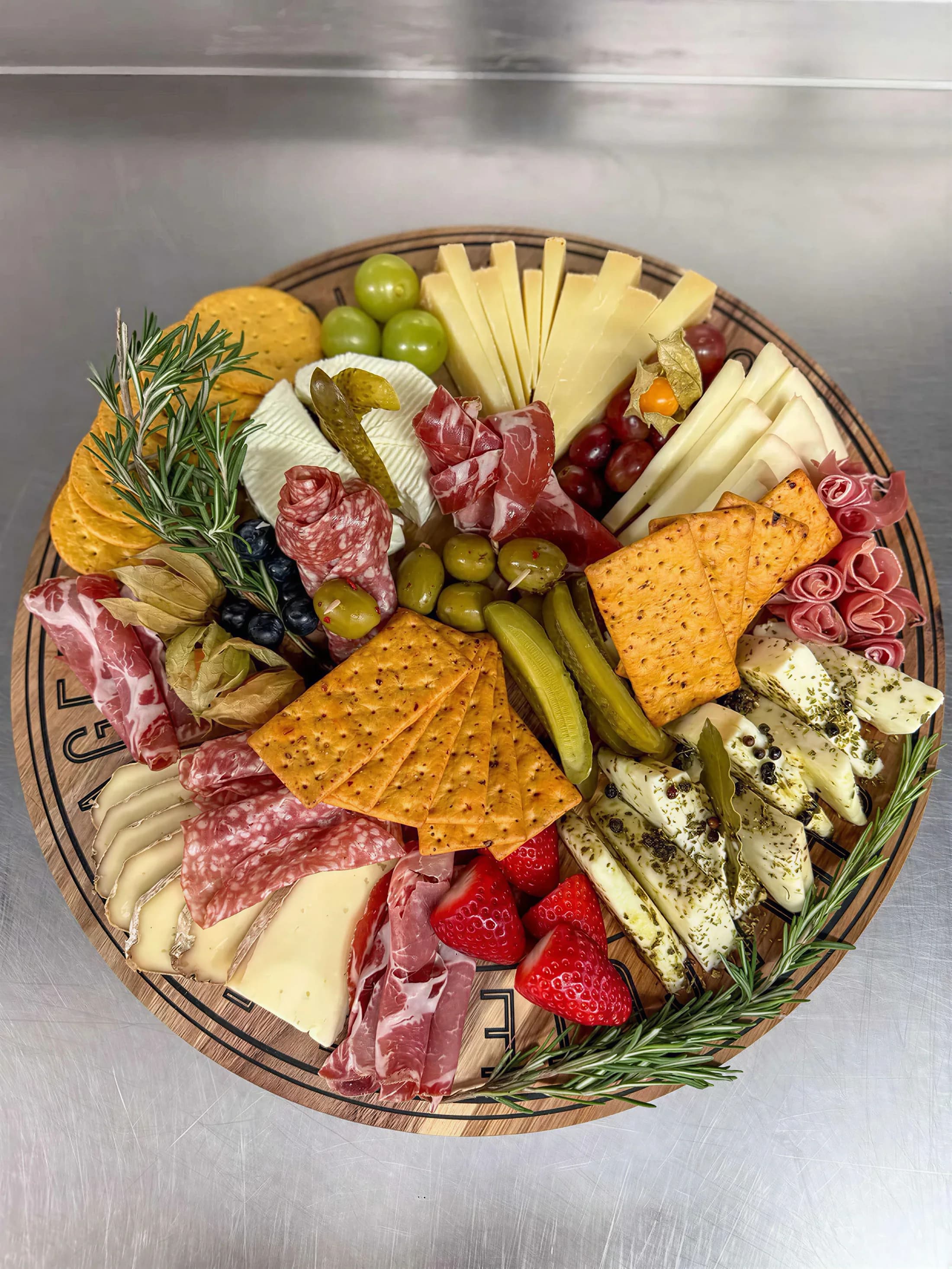
Our catalogue includes about a dozen sheep's milk cheeses, from firm to soft varieties, along with fetas and a ricotta, plus a sheep's milk yogurt called Royogourt.fromagerielamoutonniere.ca All these products are made from sheep's milk and therefore contain lactose, like any dairy product.
An important detail if you're putting together a cheese board or shopping under the assumption that everything is "pure sheep": Le Sein d'Hélène is made with a blend of sheep's milk and cow's milk.fromagerielamoutonniere.ca If you're looking for sheep's milk only, check the product sheet for each cheese before adding it to your cart.
To discover the full range and read the descriptions of each product, you can browse our online shop.
What to know before ordering online
Whether you're visiting the Centre-du-Québec region or ordering from a distance, a few pointers can help you make an informed choice:
- Read the product sheet for each cheese to find out whether it's made from pure sheep's milk or a blend.
- If you're discovering sheep's milk for the first time, start with a small quantity, such as a feta or a ricotta, before moving on to larger formats.
- Keep in mind that sheep's milk yogurt, like the cheese, contains lactose just like other dairy products.
- If you're hosting guests and want to avoid any confusion, clearly label the cheeses on your board that contain cow's milk in addition to sheep's milk.
You can order online and choose delivery within Quebec or pickup at one of our two locations, whichever fits your schedule.
Common mistakes to avoid
A common mistake is confusing "sheep's milk" with "lactose-free." These are two separate things. Another mistake is assuming that all our cheeses are pure sheep's milk, when in fact some, like Le Sein d'Hélène, combine sheep's milk and cow's milk. Finally, if you have a severe intolerance or an allergy, avoid relying on experiences you've heard about elsewhere: talk to a health care professional before trying our products for the first time.
Related reading: