
Sheep's Milk Yogourt: Recipes Worth Trying
Published
Sheep's milk yogourt works just as well in sweet dishes as it does in savoury ones: plain with honey and nuts, as a sauce base for grilled vegetables, or in desserts with berries. Its thick texture and
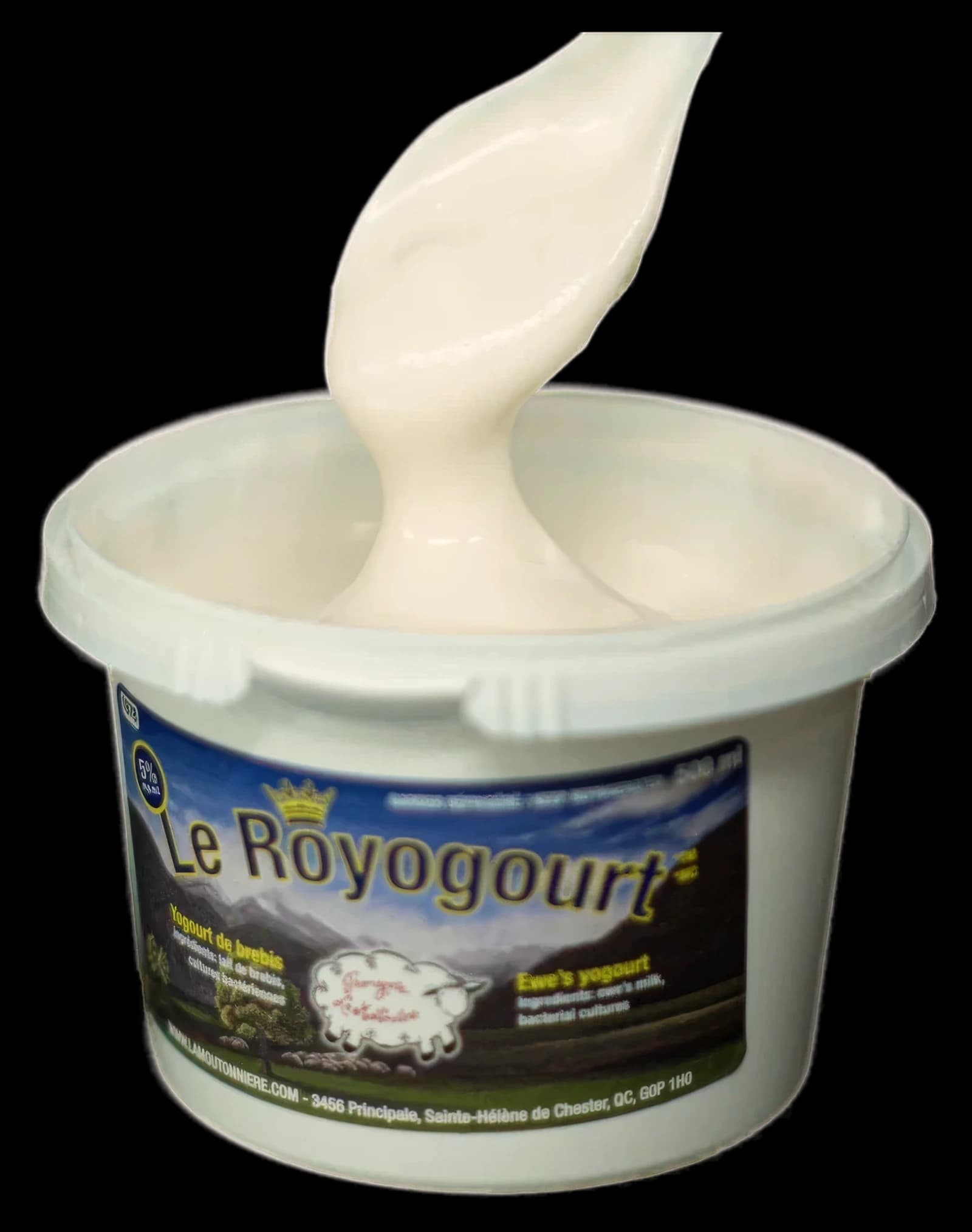
Sheep's milk yogourt works just as well in sweet dishes as it does in savoury ones: plain with honey and nuts, as a sauce base for grilled vegetables, or in desserts with berries. Its thick texture and richer flavour compared to cow's milk yogourt make it a versatile base for everyday cooking.
A taste and texture that break from the usual
Sheep's milk naturally contains more fat than cow's milk, which gives the yogourt a creamier texture and a richer, almost round flavour. For cheese lovers already used to sheep's milk products like feta or ricotta, the yogourt follows the same logic: a distinctive taste that clearly sets it apart from cow's milk versions.
Some people who have trouble digesting lactose from cow's milk find sheep's milk yogourt to be a good middle ground, though that doesn't mean it's lactose-free. Sheep's milk yogourt does contain lactose, just like the milk it's made from. It's still important to go by your own tolerance.
Simple recipe ideas to try
Sheep's milk yogourt lends itself well to quick preparations, whether for breakfast or as a side dish.
Sweet version
- Plain, with a drizzle of honey, nuts, and fresh Quebec fruit
- As a base for a parfait with granola and blueberry or strawberry jam
- Mixed with vanilla and mashed berries for a simple dessert
- As a topping for applesauce or pear compote
Savoury version
- In a tzatziki-style sauce with cucumber, garlic, and dill, to go with grilled meats
- Mixed with fresh herbs as a dip base for vegetables
- In a marinade to tenderize and flavour a cut of meat or poultry
- As a finishing touch on cold soup, similar to how you'd use sour cream
These recipes require few steps: the goal is really to let the flavour of the sheep's milk yogourt shine through rather than covering it up with too many ingredients.
Sheep's milk yogourt, feta, and ricotta: what's the difference
Yogourt, feta, and ricotta made from sheep's milk all start from the same milk, but they're made in completely different ways.
Sheep's milk yogourt is made by fermenting the milk without much draining, which is what gives it that creamy, spoonable texture. Sheep's milk feta, on the other hand, is a cheese aged in brine, firmer and saltier, meant to be cut into cubes or crumbled. Sheep's milk ricotta is made from the whey, with a lighter, grainier texture, and is more often used in cooking than eaten on its own.
On the market, you'll find both cow's milk feta and good sheep's milk feta, and the difference is noticeable right away: sheep's milk feta generally has a stronger flavour and creamier texture than cow's milk feta, which tends to be drier. For a spread that showcases sheep's milk in all its forms, you can serve yogourt, feta, and ricotta side by side, each bringing its own texture to the table.
To see the full range of sheep's milk cheeses and yogourt available, check out the online shop and put together your own selection.
Storing and serving sheep's milk yogourt properly
Like any fermented dairy product, sheep's milk yogourt should be kept in the fridge and eaten within a few days of opening the container. It's best to take it out a little before serving if you want to fully enjoy its creamy texture, especially in a sweet recipe.
If you're preparing a savoury sauce ahead of time, let it rest in the fridge for a few hours so the herbs and garlic have time to flavour the yogourt. For sweet recipes, it can be added at the last minute to keep its texture nice and firm.
For those who want to explore several sheep's milk products at once, whether for a cheese board, breakfast, or a recipe, you can order online and choose delivery or pickup, whichever suits you best.
FAQ
Related reading: