Sheep's Milk Yogourt vs. Cow's Milk Yogourt: What's the Difference?
Published
Sheep's milk yogourt stands apart from cow's milk yogourt with a richer texture, higher protein and fat content, and a bolder taste. Lactose is still present, in a comparable amount…
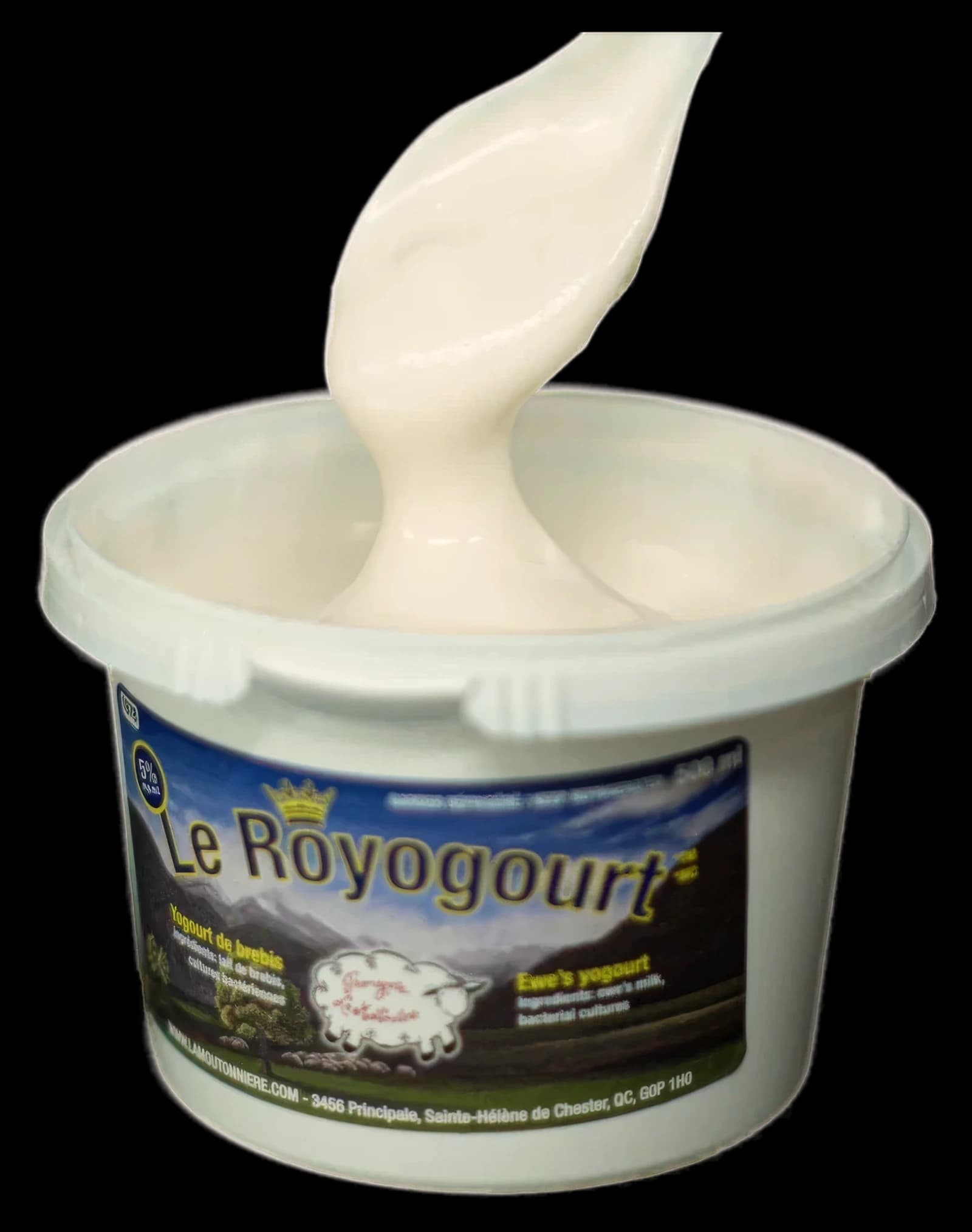
Sheep's milk yogourt stands apart from cow's milk yogourt with a richer texture, higher protein and fat content, and a bolder taste. Lactose is still present, in an amount comparable to cow's milk, but it decreases after fermentation. This is above all a matter of texture and taste, not a lactose-free product.
What sets sheep's milk apart from cow's milk
Sheep's milk naturally contains more fat and protein than cow's milk. According to commonly cited nutritional data, whole sheep's milk provides about 5.5 g of protein and 7.0 g of fat per 100 ml, compared to about 3.3 g of protein and 3.9 g of fat for the same volume of whole cow's milk.
This richness in solids is exactly what makes sheep's milk so interesting for processing. The FAO points out that it lends itself particularly well to cheese and yogourt making, precisely because of its high solids content.
As for lactose, the two milks are quite similar: about 4.7 g/100 ml for sheep's milk versus 4.8 g/100 ml for whole cow's milk. So the real difference lies elsewhere, in the texture and richness of the finished product, not in the milk sugar itself.
Sheep's milk yogourt: texture, taste and nutritional profile
A plain sheep's milk yogourt generally has a smoother, almost creamy texture compared to a classic cow's milk yogourt. Quebec nutritional charts show that a 175 ml serving of plain sheep's milk yogourt provides about 10 g of protein and 9 g of fat, for a total of about 140 calories.
This concentration of protein and fat explains why a small serving of sheep's milk yogourt is more filling than an equivalent portion of low-fat cow's milk yogourt. The taste is also more pronounced, with a slight tanginess and roundness on the palate that many cheese lovers specifically look for.
Lactose, put back into context
It's easy to assume that sheep's milk would naturally be low in lactose. That's not quite the case: its initial lactose content is comparable to that of cow's milk. What actually changes things is fermentation.
The FAO reports that a yogourt retains about 4 g of lactose per 100 g, made from milk that contained more before fermentation. Other composition tables put the lactose content of whole yogourt at around 3.2 g per 100 g. So it's the fermentation process, more than the animal species, that reduces the lactose in a yogourt.
At La Moutonnière, sheep's milk yogourt is described as a good compromise for people who don't digest cow's milk lactose as well, never as a lactose-free product. Sheep's milk yogourt still contains lactose, simply in an amount that some people tolerate more comfortably.
Sheep's milk feta and ricotta: same family, different textures
Yogourt isn't the only fermented product made from sheep's milk. Sheep's milk feta is a close cousin: same dairy base, but a different fermentation and aging process that results in a crumbly, salty texture rather than a smooth one. The difference between feta and sheep's milk cheese often comes down to this: feta is a cheese category defined by its texture and production method, while "sheep's milk cheese" simply refers to the origin of the milk, whether it's a feta, a firm cheese or a soft cheese.
A feta made from good sheep's milk stands out from a cow's milk feta with a rounder, less tangy taste and a texture that's often creamier once tasted. Sheep's milk ricotta, for its part, focuses on smoothness: ideal for both sweet and savoury dishes, it benefits from the richness of sheep's milk to stay creamy even after cooking.
To explore the full range, the online shop offers plain yogourt, sheep's milk feta and ricotta, as well as the firm and soft cheeses made at the dairy.
How to bring sheep's milk yogourt to your table
Sheep's milk yogourt pairs well with fresh fruit, honey or nuts for a heartier breakfast. It also works well as a base for a sauce or dip, its thick texture standing in nicely for sour cream in many recipes.
On a cheese board, it complements sheep's milk feta and ricotta beautifully, creating a spread entirely dedicated to this milk that's less well known in Quebec. Visitors to Centre-du-Québec passing through Sainte-Hélène-de-Chester can discover the full production on site, and remote buyers can order their sheep's milk cheeses and yogourt online with delivery across Quebec or pickup.
FAQ
Related reading: