Sheep's Milk Feta in Quebec City
Published
The sheep's milk feta easiest to find online for people in Quebec City is made in Sainte-Hélène-de-Chester, in Centre-du-Québec, by Fromagerie La Moutonnière. It's a crumbly, salty cheese…
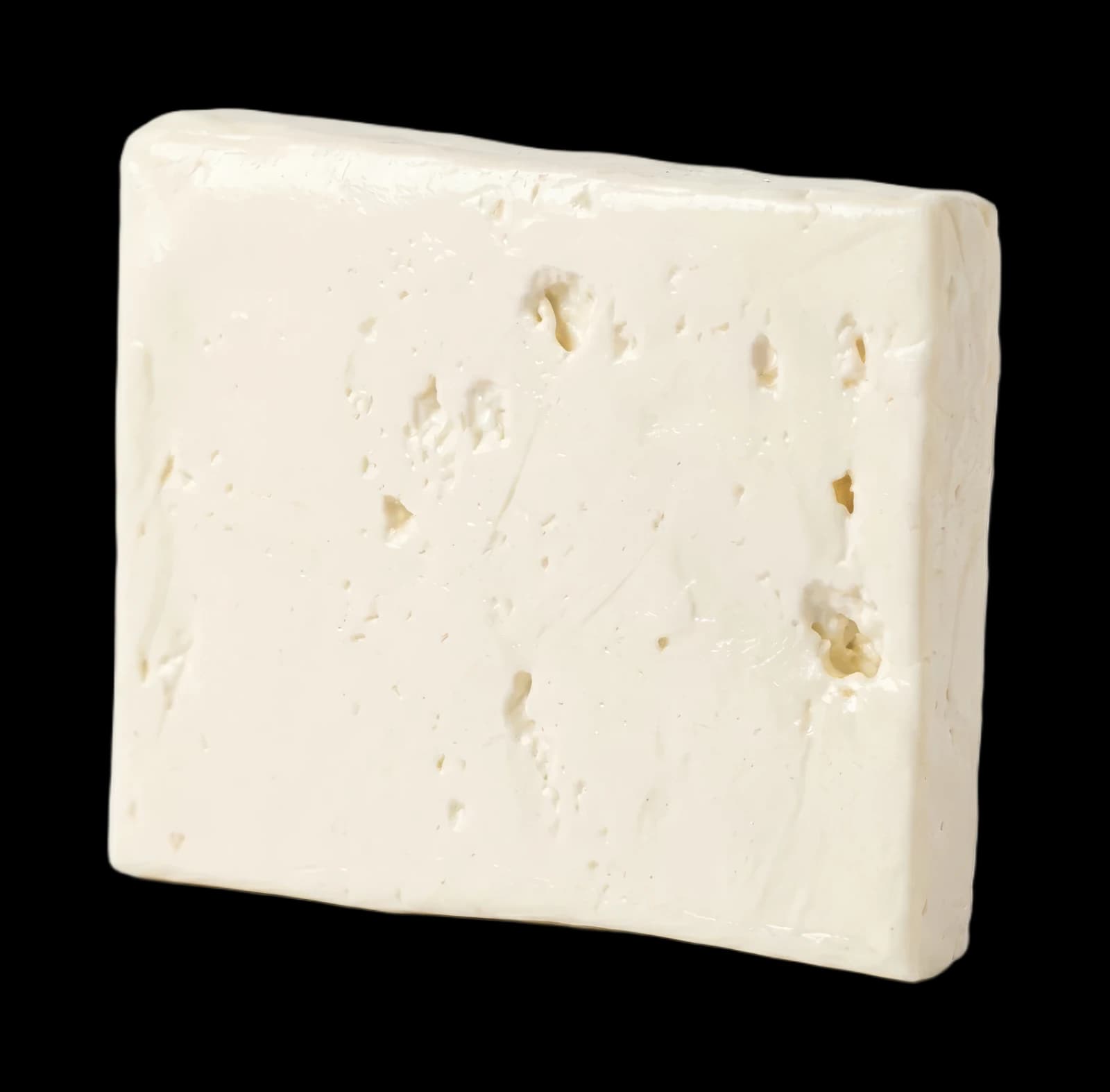
The sheep's milk feta easiest to find online for people in Quebec City is made in Sainte-Hélène-de-Chester, in Centre-du-Québec, by Fromagerie La Moutonnière. It's a crumbly, salty cheese made with milk from the farm's own sheep, different from a cow's milk feta or a milk blend sometimes sold under the same name.
What is sheep's milk feta
Feta first and foremost describes a style of cheese: a crumbly, often salty cheese that can easily be broken into pieces. This style can be made with different types of milk depending on the producer.
Sheep's milk feta, on the other hand, specifies the milk used: sheep's milk rather than cow's or goat's milk. The result has a rounder taste, sometimes slightly milder than certain commercial fetas, while keeping the salty character and crumbly texture typical of the style.
At Fromagerie La Moutonnière, feta is part of a broader lineup of sheep's milk cheeses that also includes firm cheeses, soft cheeses, a sheep's milk ricotta, and a sheep's milk yogourt called Royogourt.
Feta vs. sheep's milk cheese: what's the difference
These are two different ways of categorizing a cheese, and they don't always overlap.
- "Sheep's milk cheese" refers to the type of milk used: it can be a firm cheese, a soft cheese, a feta, or a ricotta.
- "Feta" refers to a style of production and texture: it can be made from sheep's milk, cow's milk, or a blend, depending on the producer.
That's why not all sheep's milk cheeses are fetas, and not all fetas are made from sheep's milk. At La Moutonnière, it's also worth knowing that some cheeses in the lineup, like the Sein d'Hélène, are made from a blend of sheep's milk and cow's milk. If you're looking for a 100% sheep's milk feta, it's best to check the product page before ordering.
Why choose sheep's milk feta over regular feta
Some people turn to sheep's milk because they have a harder time digesting cow's milk. Sheep's milk feta is sometimes seen as a good compromise in that case, but it still contains lactose like any dairy product: it's neither lactose-free nor designed to address an intolerance. If you've been diagnosed with an intolerance or allergy, caution and advice from a healthcare professional are still recommended.
Other cheese lovers choose sheep's milk feta simply for the taste, which is milder and rounder than some mass-produced versions, or because they're putting together a cheese board and want to step outside the usual cow's milk options.
How to serve and store it
Sheep's milk feta lends itself well to several simple uses:
- Crumbled over a summer vegetable or beet salad
- Cubed on a cheese board, with dried fruit or honey
- Warmed, over roasted vegetables or in a pasta dish
Like all fresh or lightly aged cheeses, it should be kept refrigerated and eaten within a reasonable time after opening. It's best to follow the specific instructions printed on the packaging of the product you buy, since shelf life can vary from one cheese to another.
Where to get sheep's milk feta in Quebec City
Fromagerie La Moutonnière makes its cheeses in Sainte-Hélène-de-Chester and doesn't have a counter in Quebec City itself. For people in the Quebec City area, there are two options: delivery through the online shop, which serves the whole province, or picking it up directly at one of the cheesemaker's locations if you happen to be visiting Centre-du-Québec.
If you're putting together a cheese board or simply want to try sheep's milk feta before choosing between the firm cheeses, soft cheeses, or ricotta, the online shop remains the easiest way to compare the available formats and place your order.
Related reading: