
How to Store Sheep's Milk Cheese at Home
Published
How do you store sheep's milk cheese at home? Wrap it in its original paper or in waxed paper, keep it in the fridge's crisper drawer between 4 and 8°C, and take it out about 30 minutes…
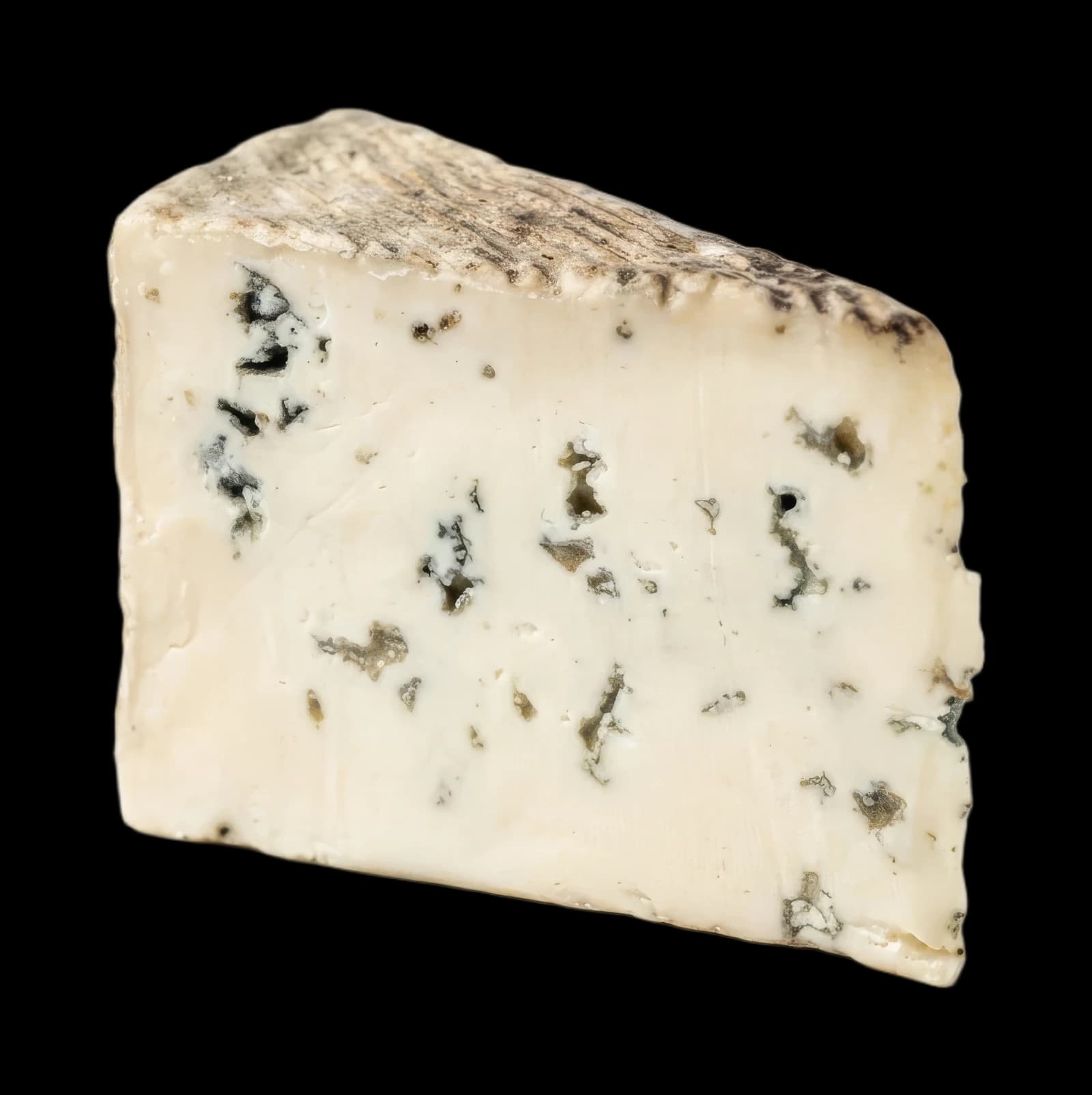
How do you store sheep's milk cheese at home? Wrap it in its original paper or in waxed paper, keep it in the fridge's crisper drawer between 4 and 8°C, and take it out about 30 minutes before serving. Firm cheeses handle the wait better than soft ones, like the soft sheep's milk cheese sold in Victoriaville.
The basics of storing sheep's milk cheese properly
Sheep's milk cheese is still a living product. It keeps evolving after you buy it, even in the fridge, and how you wrap it has a direct effect on its flavour and texture a few days later.
- Keep the original paper as long as possible: it's designed to let the rind breathe while still protecting the inside.
- If you need to rewrap it, go with waxed paper or parchment paper rather than plastic wrap pressed right against the paste.
- Store the cheese in the crisper drawer, the most stable spot in the fridge for temperature and humidity.
- Avoid the door, where temperature swings happen more often every time it's opened.
An airtight container isn't ideal for an aged cheese: it traps moisture and can speed up the growth of unwanted mould, or give a soft cheese an ammonia smell. A container with a lid that lets a bit of air in, or simply paper followed by a perforated bag, works better.
Firm and soft cheeses: two different approaches
Not all sheep's milk cheeses keep the same way, and the difference mostly comes down to the moisture level of the paste.
Firm cheeses
A firm cheese has less water, which means less surface area for unwanted bacteria or mould to settle in quickly. It generally keeps longer in the fridge, especially if the rind stays intact and the piece hasn't been cut into too much.
Soft cheeses
A soft sheep's milk cheese needs more attention. Its bloomy or washed rind keeps ripening in the fridge, sometimes quickly if the temperature creeps up a bit. Sein d'Hélène, which blends sheep's milk and cow's milk, falls into this category: keep an eye on its texture by touch, it should stay supple without becoming runny, and eat it within a shorter window than a firm cheese once it's been opened.
Can you freeze sheep's milk cheese?
Freezing isn't off limits, but it changes the texture in a way that's almost always irreversible. The water in the paste forms crystals that break down the cheese's structure, especially for soft cheeses and fresh cheeses like ricotta.
- Best to avoid freezing: bloomy rind soft cheeses, fresh cheeses, feta in brine.
- More freezer friendly: a well-wrapped firm cheese meant to be grated or cooked rather than enjoyed on its own.
If you do decide to freeze it anyway, wrap the cheese tightly to limit moisture loss, and plan to use it cooked rather than served on a platter.
Aging sheep's milk cheese at home
Aging a cheese at home takes patience and a stable environment, two things you don't always control in a home fridge.
- Aim for a cool, consistent spot, ideally between 10 and 14°C if you have a cellar or cold room; otherwise, the bottom of the fridge remains the best option.
- Turn the cheese every so often so the moisture spreads evenly across all its sides.
- Gently wipe away excess moisture with a clean cloth if you notice droplets forming on the rind.
- Taste it regularly: home aging isn't an exact science, and the ideal moment depends on your own preferences as much as on the cheese itself.
A cheese that's already well aged when you buy it doesn't need to age any further. In that case, the goal is simply to keep it in the same state for as long as possible rather than push the aging further.
After a stop in Victoriaville or an online order
Whether you're heading home from a stop in the Victoriaville area with a piece tucked under your arm, or receiving an order at your door, the same habits apply: limit the time spent out of the cold, refrigerate as soon as possible, and keep the original packaging if you can. To put together a cheese board or discover the full range of sheep's milk cheeses available, the online shop remains the simplest place to start. To learn more about our cheesemaking methods and products, the journal features other articles on the subject.
Related reading:
Frequently asked questions
- Is it okay to store cheese in a tupperware container?
- According to La Moutonnière, an airtight container isn't ideal for an aged cheese, since it traps moisture and can speed up mould growth or give soft cheeses an ammonia smell. Waxed paper or a perforated bag that lets a bit of air circulate works better.
- Which cheeses should you avoid freezing?
- Bloomy rind soft cheeses, fresh cheeses, and feta in brine lose their texture in the freezer, since the water they contain forms crystals that break down the paste's structure. A firm cheese meant for cooking handles freezing better than a soft cheese enjoyed on its own.
- What temperature should cheese be stored at?
- According to La Moutonnière, the fridge's crisper drawer, between 4 and 8°C, offers the stability most sheep's milk cheeses need. Avoid the fridge door, where temperature swings from frequent opening can cause uneven ripening.
- How can you extend the life of a soft sheep's milk cheese like Sein d'Hélène?
- Keep it in its original paper, watch its texture by touch, and eat it within a shorter window than a firm cheese once the piece has been opened. Sein d'Hélène blends sheep's milk and cow's milk, and its rind keeps evolving even in the fridge.
- Where can you find sheep's milk cheese in the Victoriaville area?
- Fromagerie La Moutonnière, based in Sainte-Hélène-de-Chester near Victoriaville, offers its sheep's milk cheeses in store, as well as for delivery or pickup elsewhere in Quebec. The online shop lets you browse the full range of products available.