How to Choose a Firm Sheep's Milk Cheese for a Successful Cheese Board
Published
To choose a good firm sheep's milk cheese, look at the degree of aging, the texture, the aromatic intensity, and the storage conditions indicated by the producer. In Quebec, several…
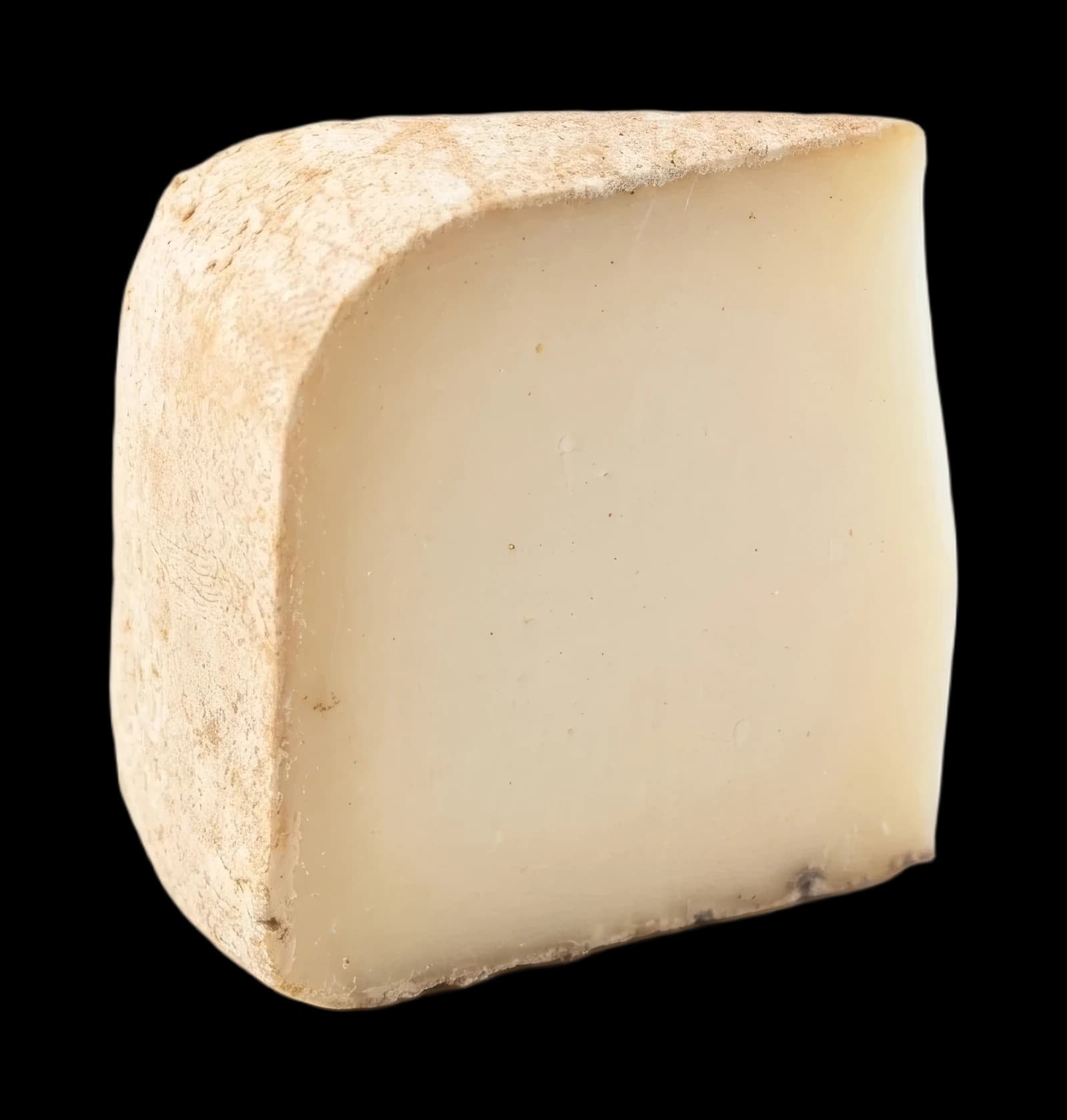
To choose a good firm sheep's milk cheese, look at the degree of aging, the texture, the aromatic intensity, and the storage conditions indicated by the producer. In Quebec, several artisanal cheesemakers, including some that specialize in sheep's milk, offer a wide range of profiles. It's better to build your cheese board around the balance you're looking for than to go by popularity alone.
Understanding what "firm" actually means
The term "firm" describes a family of cheeses, not a precise measure of hardness. Two firm sheep's milk cheeses can have very different textures depending on:
- the aging time;
- the moisture content of the paste;
- the production method;
- the storage conditions before purchase.
Before adding a cheese to your board, go by the producer's description rather than a general assumption about how a "firm" cheese should feel in the mouth.
Choosing the right intensity for the rest of the board
The intensity of a firm sheep's milk cheese varies a lot from one product to another. To build a balanced board:
- if your guests are new to sheep's milk, start with a milder cheese, then add a stronger one afterward;
- if your board already includes creamy cow's milk cheeses, a more aged sheep's milk cheese can create an interesting contrast;
- avoid lining up several cheeses that are very similar in intensity, vary the textures and profiles instead.
La Moutonnière, a cheesemaker based in Sainte-Hélène-de-Chester, offers several types of sheep's milk cheese in its catalogue, including feta and ricotta, as well as Royogourt. It's worth reading each product's description before putting together your selection, since intensity levels aren't interchangeable from one cheese to another.
Checking the texture before serving
A well-chosen firm cheese cuts cleanly, without crumbling excessively or sticking to the knife. Before serving:
- take the cheese out of the fridge a little while before serving so it reaches a pleasant texture;
- check the look of the rind and the paste, a surface that's unusually moist or very dried out can indicate a storage issue;
- adapt the cut to the occasion: cubes for a buffet, thin slices for a more formal tasting, shavings to top a salad.
Reading the label and confirming the milk's origin
To buy a true sheep's milk cheese, and not a blended product, always check the ingredient list. Some cheeses combine sheep's milk and cow's milk, as is the case with Sein d'Hélène, which is made from both. If your goal is to introduce guests to sheep's milk in its purest form, make sure the label lists only one type of milk.
Also check:
- the best-before date or storage indication;
- the producer's storage instructions;
- the establishment's identification when the product is sold pre-packaged.
Don't assume it's lactose-free
Sheep's milk cheese contains lactose. Even though some people who have trouble digesting cow's milk lactose find sheep's milk cheese easier on their system, it is not a lactose-free product, and it should never be presented as such. If you have a diagnosed intolerance or an allergy to milk proteins, speak with a healthcare professional before eating it, and don't rely solely on the type of milk to make that decision.
Choosing the right amount for your board
How much cheese you need depends on the role it plays in your meal:
- a board made up mainly of cheese generally calls for a wider variety of pieces;
- an end-of-meal cheese service can be limited to one or two well-chosen firm cheeses;
- a board that also includes charcuterie, bread, and fruit doesn't need as much cheese per person.
To explore the available formats and build your own selection, you can check out the online shop, which offers delivery across Quebec or pickup depending on the address. To learn more about the products and production methods, the cheesemaker's journal also offers additional content.
Related reading:
Frequently asked questions
- Does sheep's milk cheese contain lactose?
- Yes, according to La Moutonnière, sheep's milk cheese does contain lactose, even though some people find it easier to digest than certain cow's milk cheeses. It should never be considered a lactose-free product without specific confirmation from the producer.
- What's the difference between a pure sheep's milk cheese and a blended cheese?
- A pure sheep's milk cheese is made entirely from sheep's milk, while a blended cheese combines it with cow's milk. Sein d'Hélène, for example, is made from both types of milk, which you should check on the label before buying.
- How should a firm sheep's milk cheese be stored before serving?
- As La Moutonnière explains, you should follow the storage instructions provided by the producer on the packaging, usually refrigeration in a suitable container. Take the cheese out a little while before serving so it reaches a pleasant texture, but don't leave it at room temperature too long.
- Where can you buy firm sheep's milk cheese in Quebec?
- According to La Moutonnière, several artisanal cheesemakers in Quebec, including some that specialize in sheep's milk, offer this type of product in-store or online with delivery or pickup depending on the region. Always check the milk's origin and delivery conditions before placing your order.