Wool Socks and Sheepskin: How to Spot a Trustworthy Farm Cheesemaker
Published
A trustworthy artisan cheesemaker in Quebec can be recognized by verifiable details: a valid dairy plant licence, complete labelling, clearly stated milk origin. The same approach applies to related products like…
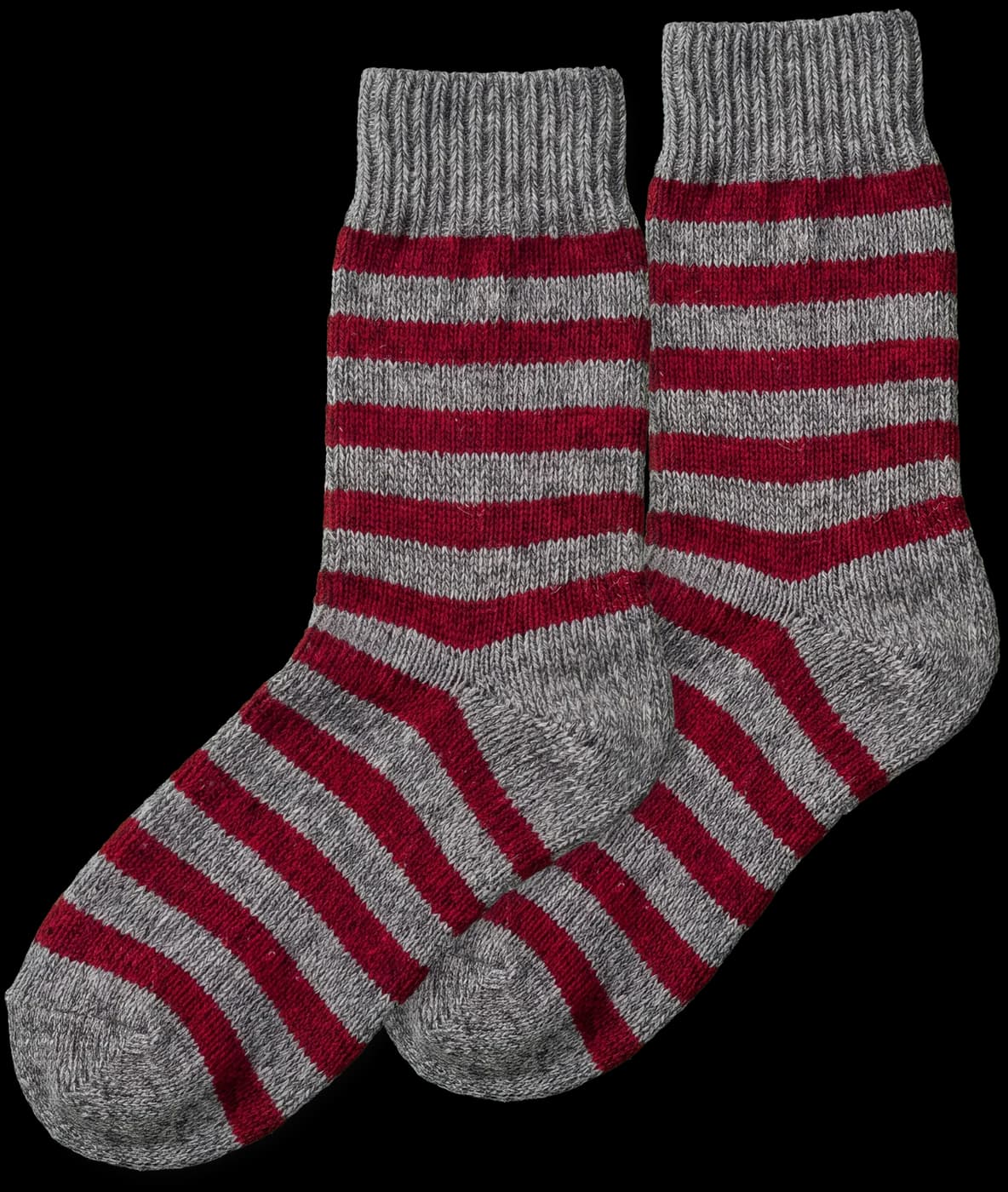
A trustworthy artisan cheesemaker in Quebec can be recognized by verifiable details: a valid dairy plant licence, complete labelling, clearly stated milk origin. The same approach applies to related products like sheepskin or wool socks, which should come with enough detail to judge their use before you buy.
Why "artisanal" isn't proof enough
The word "artisanal" describes a method, not compliance. Nothing stops a business from using it without holding the required authorizations. To judge a farm cheesemaker in Quebec, it's better to look at what can actually be verified: who processes the milk, where, and under what authority. That holds true for cheese as much as for products that come from the sheep farm itself, including wool socks and sheepskin, which also deserve a clear description of their origin and upkeep.
The dairy plant licence: the first thing to check
In Quebec, processing milk, whether from cows, goats or sheep, requires a dairy plant licence issued by provincial authorities. This licence governs the facilities, hygiene, and production monitoring. Before ordering from or visiting a farm cheesemaker, it's reasonable to look for the company's legal name and establishment address, information that's usually available directly on the cheesemaker's own website.
Fromagerie La Moutonnière, located in Sainte-Hélène-de-Chester in Quebec's Centre-du-Québec region, presents its sheep's milk cheeses directly on its site, along with details specific to each product in its catalogue.
"Farmhouse cheese": a designation, not just a word
In Quebec, the valued term "Fromage fermier" (farmhouse cheese) isn't decorative. It's based on a certification granted by an accredited body, overseen by the Conseil des appellations réservées et des termes valorisants. A cheese can carry this designation whether it's made from raw, thermized or pasteurized milk, but only if it meets the certification's conditions.
In practical terms, this means a cheesemaker could very well produce cheese on its own farm without holding this official certification, and the reverse is just as possible. The word alone, without mention of certification, doesn't let you conclude anything. If this designation matters to you, the simplest approach is to ask the cheesemaker directly whether it's certified, rather than relying on the wording used in its description.
Reading the label instead of guessing
A complete label lets you know, among other things, whether a cheese is made from raw, thermized or pasteurized milk when that distinction matters, along with the ingredient list, lot number and storage conditions. Sheep's milk products are no exception. At La Moutonnière, the catalogue includes feta varieties, a ricotta, and Royogourt, each with its own product sheet. It's also worth noting that some cheeses combine sheep's milk and cow's milk: that's the case with Sein d'Hélène, which is therefore not a pure sheep's milk cheese. Checking this information helps avoid surprises, especially for anyone specifically looking to discover sheep's milk.
Sheep's milk cheese contains lactose. It should never be presented as a solution for people with lactose intolerance, only as a different product worth trying, sometimes described as a good compromise by the people who make it.
Wool socks and sheepskins: judging a related product
Beyond cheese, several farm cheesemakers in Quebec sell products that come from the same flock, like wool socks or sheepskins. A reliable description of these items should specify:
- the exact material (wool, tanned hide, lining);
- recommended care, especially for a sheepskin;
- the size or format available;
- the connection to the farm itself, rather than just a resold product with no clear origin.
A poorly described wool sock doesn't tell you whether it's meant for everyday wear or more of a decorative item. A sheepskin without care instructions can come as an unpleasant surprise once you start using it. These details, simple as they are, are part of the same transparency standards applied to cheese.
Delivery, pickup and online service
A reliable online shop clearly states its terms before you order: delivery zones, timelines, available pickup points. This information should be easy to find, not buried in a general policy. Before placing an order, take a moment to check the online shop to see whether delivery and pickup details are clearly explained for each type of product, whether it's cheese, yogurt or items like wool socks. To learn more about sheep's milk and the products made from it, the cheesemaker's journal can also be a good starting point.
Related reading:
Frequently asked questions
- What sets a compliant artisan cheesemaker apart from others?
- According to La Moutonnière, a compliant cheesemaker holds a valid dairy plant licence in Quebec, regardless of whether it processes cow, goat or sheep's milk. This licence governs production facilities and hygiene, and its existence can generally be confirmed directly with the company.
- Is the term "farmhouse cheese" legally guaranteed?
- Yes, in Quebec this valued term is protected and relies on certification granted by an accredited body, not simply a marketing description. A cheese can be made from raw, thermized or pasteurized milk and still carry this designation, as long as it meets the certification criteria.
- Is sheep's milk cheese suitable for people with lactose intolerance?
- No, as La Moutonnière explains, sheep's milk cheese contains lactose, like any dairy product. Some people find it easier to digest based on personal experience, which makes it a good compromise worth trying, but it's never a lactose-free product.
- How can you evaluate a wool sock or sheepskin before buying online?
- Look for a description that specifies the material, recommended care and the connection to the farm of origin. A clear product sheet for a wool sock or sheepskin lets you know what to expect before delivery, rather than having to guess once it arrives.
- Where can you find La Moutonnière's sheep's milk cheeses in Quebec?
- Fromagerie La Moutonnière, based in Sainte-Hélène-de-Chester in Centre-du-Québec, offers its catalogue by delivery or pickup. Ordering details and pickup points can be found directly on the company's online shop.