Wool Socks: How to Choose the Right Size
Published
Choosing the right sheep's wool socks starts with measuring your foot, then comparing it to the manufacturer's size chart. Thickness and intended use, everyday wear, boots or winter, then help confirm the…
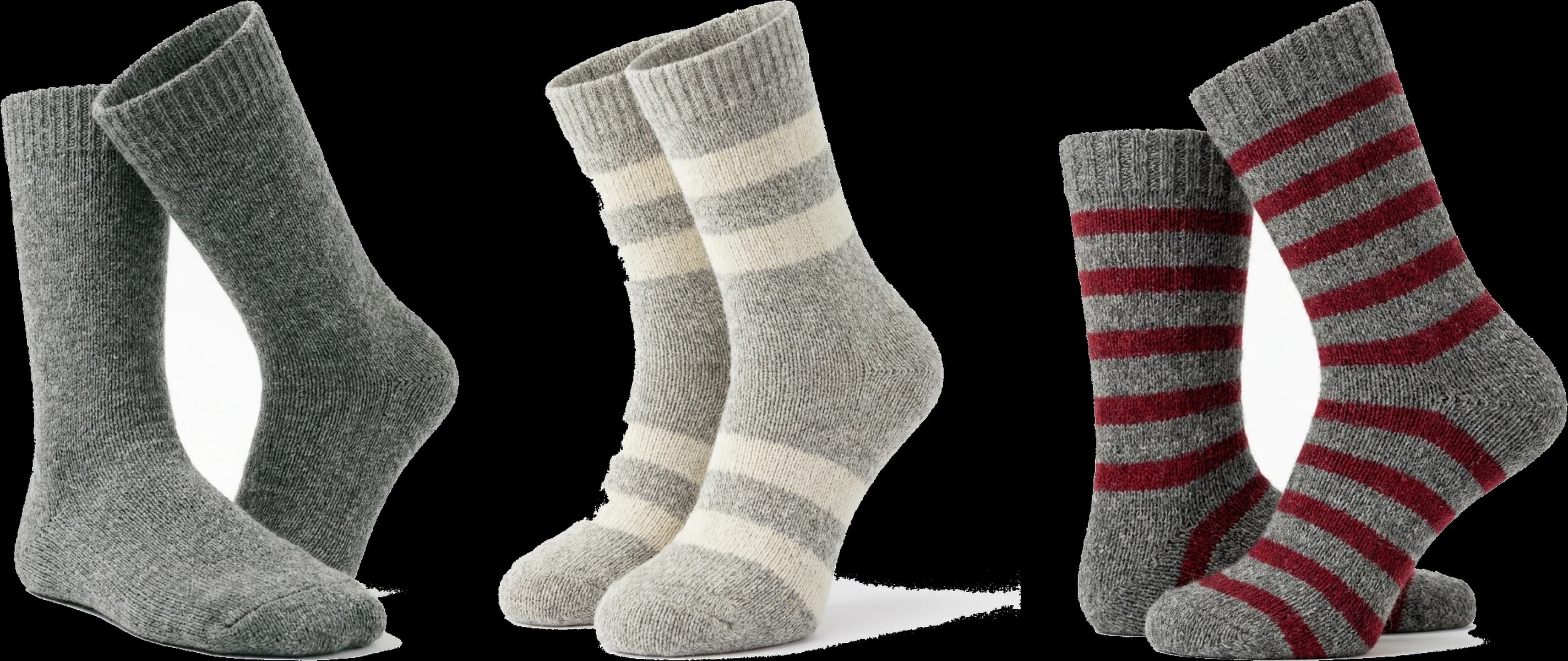
Choosing the right sheep's wool socks starts with measuring your foot, then comparing it to the manufacturer's size chart. Thickness and intended use, everyday wear, boots or winter, then help confirm the choice. At Fromagerie La Moutonnière, in Quebec, wool socks are one of the farm products offered alongside sheep's milk cheese.
Wool socks, a farm product to discover in Quebec
Fromagerie La Moutonnière, located in Sainte-Hélène-de-Chester in the Centre-du-Québec region, has been processing sheep's milk since 1992. Alongside its cheese, the farm also offers other products made on site, including wool socks and sheepskins. For visitors who come to discover the cheeses or order online, sheep's wool socks are often a natural addition to the cart, especially as winter approaches.
Measuring your foot before choosing a size
The first and most reliable step is measuring your foot.
- Stand up straight, heel against a wall, on a sheet of paper placed on the floor.
- Measure the distance between the wall and the tip of your longest toe.
- Measure both feet and keep the larger of the two measurements.
- Measure while wearing the type of sock you'll normally wear, since a thicker sock slightly changes the volume of the foot.
This measurement in centimetres is more reliable than a shoe size, since sizing varies from one brand to another.
How to read a size chart
A size chart generally matches a range of foot lengths to a sock size. A few useful pointers:
- Always compare your actual measurement to the chart provided rather than to your usual shoe size.
- If your measurement falls between two sizes, think about how you'll use the socks: a sock meant for a boot that's already snug should lean toward the closer size, to avoid bunching at the toes.
- Avoid sizing up just to get more warmth. A sock that's too loose can slide around inside the shoe and create friction points, which is often more uncomfortable than a well-fitted sock.
What thickness to choose depending on use
The thickness of the sock directly affects the amount of room left in the shoe or boot.
- Everyday wear, dress or casual shoes: a thinner sock fits more easily and leaves room to spare in a shoe that's already on the snug side.
- Outdoor work, winter boots: a thicker sock works well if the boot is designed for that purpose, but make sure it doesn't compress the toes once the foot is inside.
- Hiking or long walks: look for a sock that holds its shape well around the heel and instep, to limit slipping throughout the day.
In every case, try the sock on with the intended shoe or boot before confirming your choice, especially if your measurement falls right on the line between two sizes.
Sheep's wool: a fibre known for its warmth
Sheep's wool has long been valued for its ability to retain warmth while still letting the foot breathe. It's also known for managing moisture better than some synthetic fibres, which makes it a popular choice for Quebec winters, whether for outdoor work, walking, or simply staying comfortable at home. That said, these general properties of wool don't replace actually trying the sock on, which remains the best way to confirm comfort.
Caring for your wool socks to keep the right size
Improper care can cause a wool sock to shrink, turning a once-perfect fit into something too tight.
- Wash in cold or lukewarm water, following the instructions on the product label.
- Avoid high-heat drying, which is the most common cause of shrinkage.
- Let the socks dry flat rather than hanging them, to prevent uneven stretching.
These precautions help the sock keep its shape and size over many seasons.
To discover wool socks alongside sheep's milk cheeses and other farm products, visit the online shop. To learn more about the products and the day-to-day life of the farm, check out the journal as well.
Related reading:
Frequently asked questions
- How do I measure my foot for sheep's wool socks?
- According to La Moutonnière, stand up straight, heel against a wall, on a sheet of paper, then measure to your longest toe. Measure both feet and keep the larger value, while wearing a sock of similar thickness to the one you plan to use.
- What are the different types of wool used for socks?
- Types of wool used for socks include sheep's wool, valued for its warmth and moisture management, as well as finer wools or wool blended with synthetic fibres. The sheep's wool socks offered by Fromagerie La Moutonnière are part of this tradition of farm products, in Quebec.
- What does sheep's wool do in a sock?
- As La Moutonnière explains, sheep's wool helps keep the foot warm while still letting the skin breathe, setting it apart from many synthetic fibres. It's also known for handling moisture better, an advantage during Quebec's cold days.
- How do I care for sheep's wool socks so they don't shrink?
- Wash the socks in cold or lukewarm water according to the label, and avoid high-heat drying, the main cause of shrinkage. Drying flat also helps the socks keep their original shape and size for longer.