Cow's Milk or Sheep's Milk Feta: What's the Real Difference?
Published
The difference between a cow's milk or sheep's milk feta comes down first to the animal the milk comes from, which changes the taste, texture and richness of the cheese. In Quebec, several cheesemakers offer both versions…
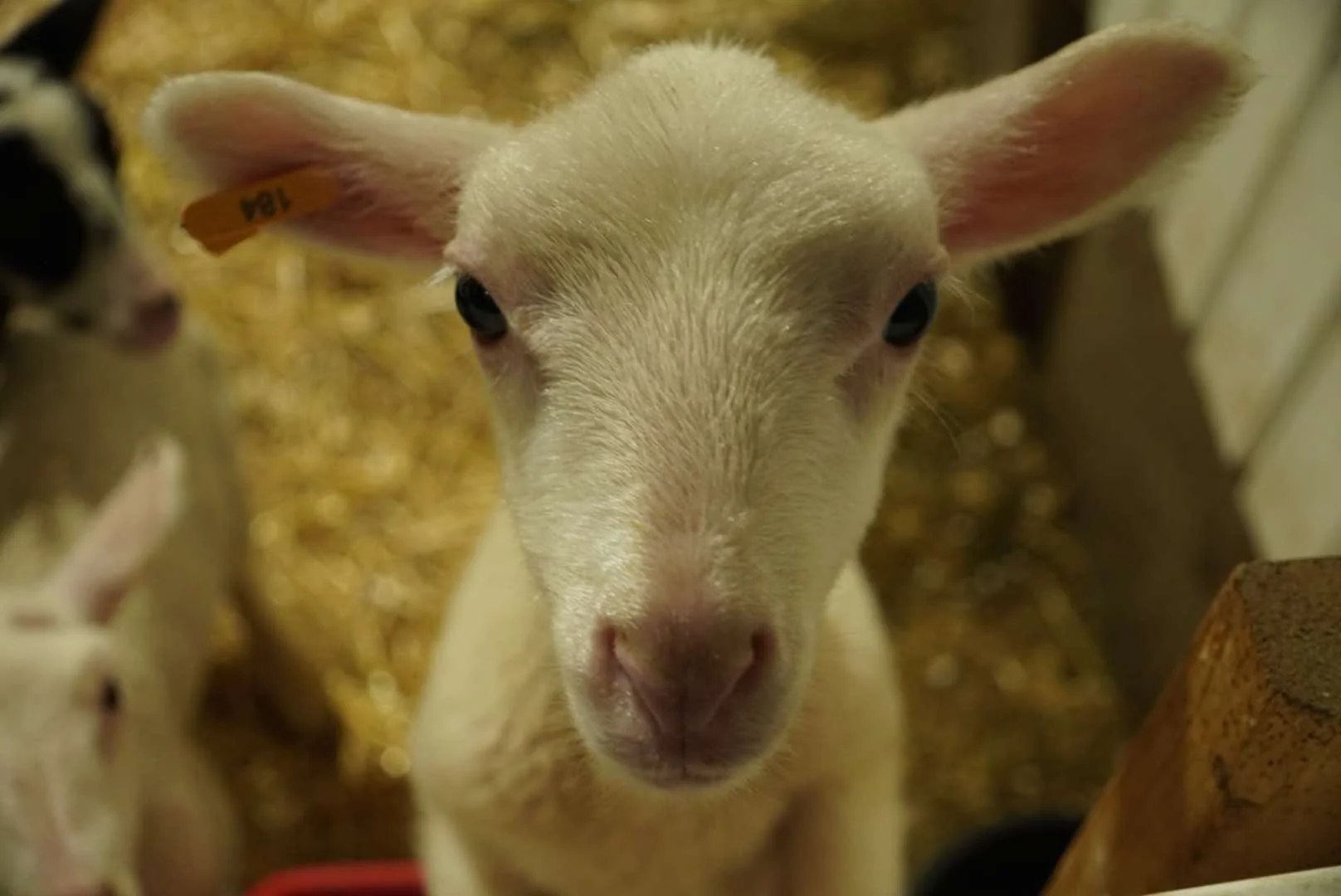
The difference between a cow's milk or sheep's milk feta comes down first to the animal the milk comes from, which changes the taste, texture and richness of the cheese. In Quebec, several cheesemakers offer both versions, including Fromagerie La Moutonnière in Sainte-Hélène-de-Chester, which has been making a sheep's milk feta since it opened in 1992.
Sheep's Milk Feta, Cow's Milk Feta: Where the Difference Comes From
The word "feta" actually describes a method: a white cheese, drained and then kept in brine. On its own, it doesn't guarantee which animal's milk was used. Historically, Greek feta is made with sheep's milk, sometimes blended with goat's milk, but never with cow's milk. Elsewhere in the world, including here in Canada, the term "feta" is also used for cheeses made from cow's milk.
In practical terms, this means two products sold under the name "feta" can come from entirely different animals. The only way to really know what you're buying is to read the ingredient list on the label.
Taste and Texture, Depending on the Milk
Sheep's milk is naturally higher in fat than cow's milk. That richness gives sheep's milk feta a creamier texture in the mouth, a rounder taste, and a flavour that holds up even after cooking. Cow's milk feta tends to be lighter in taste and sometimes crumblier.
Neither one is "better" in an absolute sense: it really depends on how you plan to use it. On a cheese board, served in a block with olive oil, sheep's milk feta brings a lot of character. Crumbled over a salad where it needs to stay in the background, a milder feta might be the better fit.
What About Lactose?
Many people look for sheep's milk feta thinking it'll solve a lactose digestion issue. It's worth being careful with this idea. Feta, whether made from sheep's or cow's milk, contains lactose. The making process (draining, aging, brining) removes some of it, but no cheese of this type can be called "lactose-free" without the manufacturer confirming it precisely.
What a lot of people do report is that sheep's milk tends to be an easier fit for them compared to cow's milk, though that's not a medical guarantee. If lactose tolerance is a real concern, the best approach is still to talk to a health professional and check the exact composition of the product before eating it.
How to Recognize a True Sheep's Milk Feta
A few simple markers can help when you're shopping:
- Check the ingredient list: "sheep's milk" should appear clearly, either on its own or in a blend.
- Look at the colour: sheep's milk often produces a whiter, more opaque paste than cow's milk.
- Taste the richness: sheep's milk feta generally has more body on the palate.
- Note where it's made: in Quebec, few cheesemakers actually process sheep's milk, which makes the origin easy to trace.
It's also worth knowing that some cheeses blend both milks. Le Sein d'Hélène, for example, is made with both sheep's milk and cow's milk, so it isn't a pure sheep's milk feta. It's a distinct product that deserves to be identified as such rather than lumped in with the rest of the line.
Our Sheep's Milk Fetas in Sainte-Hélène-de-Chester
Fromagerie La Moutonnière, in Quebec's Centre-du-Québec region, was the first cheesemaker in the province to process sheep's milk, and has since offered several sheep's milk fetas in its catalogue, alongside a sheep's milk ricotta and Royogourt, a sheep's milk yogourt. Plain feta is one of the house's staple products, designed for simple everyday use: in a block, cubed into a salad, or crumbled over a hot dish.
For anyone curious to compare sheep's milk feta directly against the cow's milk version they already know, the simplest way is still to taste it for yourself. The online shop lets you order plain feta and the cheesemaker's other cheeses, with delivery across Quebec or pickup at either of the two locations. To learn more about the making process and the house's different cheeses, the journal gathers more articles on the subject.
Related reading:
Frequently asked questions
- Does sheep's milk feta contain less lactose than cow's milk feta?
- According to La Moutonnière, both contain lactose, even though some of it is removed during draining and aging. No feta should be considered lactose-free without checking precisely with the manufacturer.
- Can you substitute sheep's milk feta for cow's milk feta in a recipe?
- Yes, according to La Moutonnière, the swap works well in most recipes, but you should expect a richer taste and creamier texture with sheep's milk. It's a good way to mix things up without changing your preparation method.
- Are all of La Moutonnière's cheeses made from pure sheep's milk?
- As La Moutonnière explains, most of the cheesemaker's products are made from sheep's milk, but not all of them. Le Sein d'Hélène, for example, combines sheep's milk and cow's milk, so it's best to check each product page before buying.
- What taste difference can you notice between sheep's milk feta and cow's milk feta?
- Sheep's milk feta tends to be richer and rounder on the palate, due to the higher fat content of sheep's milk. Cow's milk feta is often lighter and crumblier, which works well when you want a more subtle flavour.