Sheep's Milk Cheese: Understanding Firm and Soft Varieties Before the Holidays
Published
Sheep's milk cheese stands out for the richness of its milk and for two main texture families: firm cheeses, like the firm sheep's milk cheese made in Sainte-Hélène-de-Chester, and soft, creamier varieties…
Sheep's milk cheese stands out for the richness of its milk and for two main texture families: firm cheeses, like the firm sheep's milk cheese made in Sainte-Hélène-de-Chester, and soft, creamier varieties. Before the holidays, the right choice really comes down to how you plan to use it, how aged it is, and what serving format works best.
The particularity of sheep's milk and the two cheese families
Sheep's milk is known for its richness, which gives the cheese pronounced aromas right from the first weeks of aging. Two main categories then emerge depending on how the cheese is made:
- Firm cheese loses more moisture during draining and aging. It slices cleanly, holds up well on a cheese board, and develops flavours that become more complex over time.
- Soft cheese retains more moisture. Its texture is softer, sometimes creamy just under the rind, and it's usually served at room temperature to bring out its aromas.
In Sainte-Hélène-de-Chester, in the Centre-du-Québec region, the cheesemaker has been working with sheep's milk since 1992 and offers both families within its range, alongside products like feta and ricotta.
Choosing based on use: cheese board, cooking, or gift-giving
Before the holidays, your choice should mostly depend on what you plan to do with the cheese:
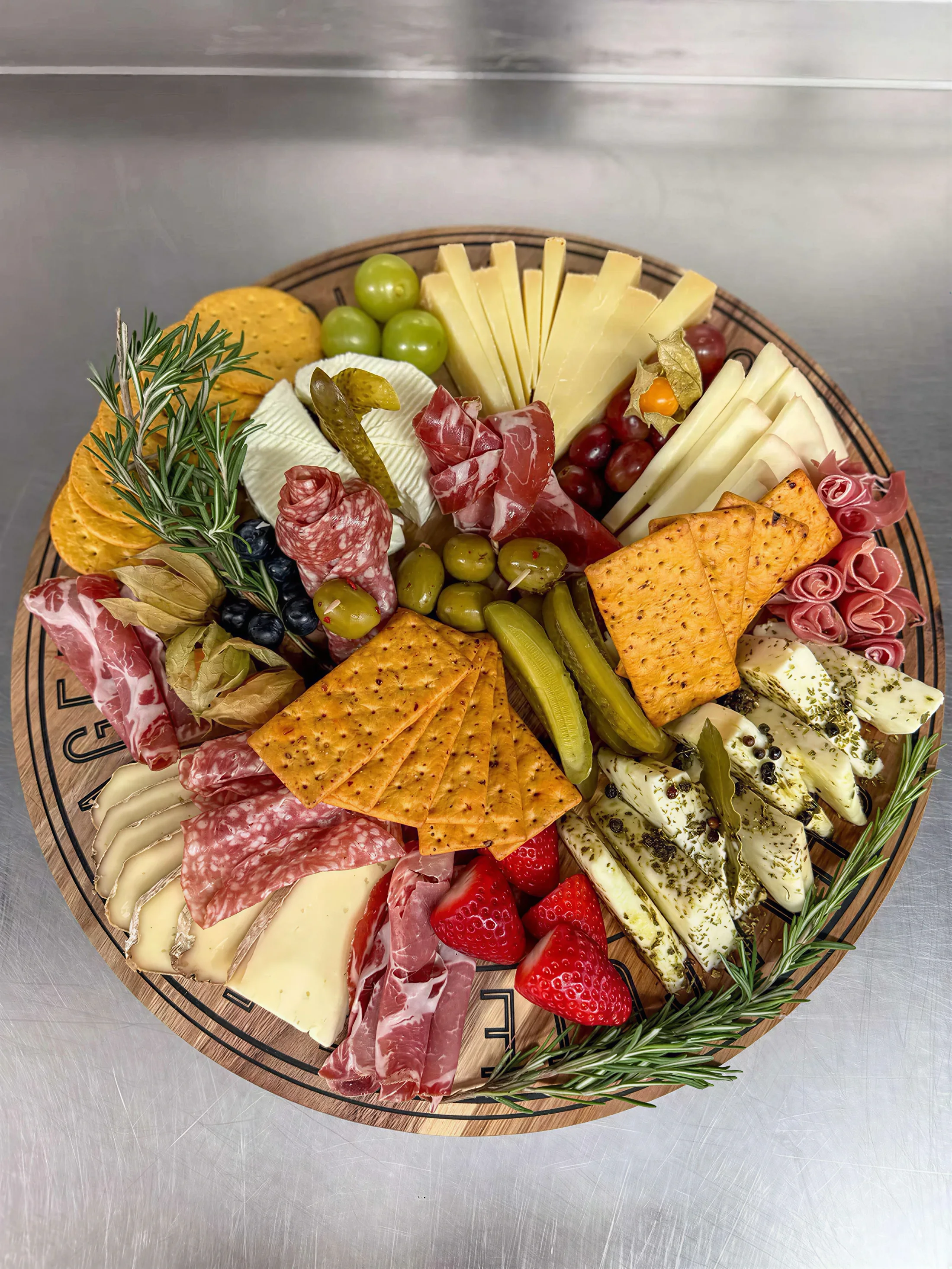
- For a board you want to prepare ahead of time, a firm cheese slices well in advance and holds its shape for several hours at room temperature.
- For a more festive, spreadable option, a soft cheese adds contrast alongside crackers or dried fruit.
- For a savoury or sweet recipe, a sheep's milk feta or ricotta fits easily into a salad, a tart, or a seasonal dessert.
- For a gourmet gift, a cheese paired with a product like Royogourt makes a nice addition to a gift basket, without claiming to represent the full catalogue.
One thing worth keeping in mind: some of the cheesemaker's products, like the Sein d'Hélène, combine sheep's milk and cow's milk. So don't assume every product in the range is pure sheep's milk cheese: each product's own description remains the most reliable reference.
To see the full lineup and available formats, you can check out the online shop before planning your holiday order.
Lactose, digestion, and reading the label
Sheep's milk naturally contains lactose. The fact that a cheese is made from this milk doesn't mean it's automatically suitable for someone who is lactose intolerant, or that it's "lactose-free."
Some customers find that sheep's milk cheese works well for them compared to other milks, but that experience is personal and isn't a substitute for medical advice. If you have a diagnosed intolerance or an allergy to milk proteins, the safe approach is to check the specific product information rather than relying solely on the animal source.
The same goes for comparing nutritional values: they vary from one cheese to another depending on moisture, salt content, and aging, and should be checked on the specific product sheet rather than assumed across the whole category.
Aging, storage, and handling before the holidays
A few simple pointers will help you serve sheep's milk cheese well during the holiday season:
- Keep the cheese refrigerated until serving time, then take it out about thirty minutes beforehand so it can regain its full flavour.
- Cut a firm cheese only when you're putting together the board, to limit the cut surface from drying out.
- Wrap any opened piece in paper that lets the cheese breathe rather than in airtight plastic wrap.
- If you're ordering several cheeses for a gathering, place your order a few days ahead: the holiday season often brings more delivery and pickup requests.
To dig deeper into topics like aging or food pairings, the cheesemaker's journal features other articles on sheep's milk cheese.
FAQ
Related reading:
Frequently asked questions
- What's the difference between goat's milk cheese and sheep's milk cheese?
- According to La Moutonnière, goat's milk and sheep's milk have different compositions and flavour profiles, and the final result also depends on how the cheese is made, aged, and salted. You shouldn't assume one milk is automatically easier to digest than the other, since that depends mostly on the individual and the specific product.
- What Quebec cheeses are made from sheep's milk?
- Several artisanal cheesemakers in Quebec work with sheep's milk to produce firm cheeses, soft cheeses, fetas, and ricottas. Fromagerie La Moutonnière, in Sainte-Hélène-de-Chester, has been making about a dozen varieties since the early 1990s.
- What's the difference between a firm and a soft sheep's milk cheese?
- A firm cheese loses more moisture during aging, giving it a texture that slices well and holds up easily on a cheese board. A soft cheese retains more moisture, giving it a softer or creamier texture, and it's usually served at room temperature.
- Where is La Moutonnière's firm sheep's milk cheese made?
- La Moutonnière's firm sheep's milk cheese is made in Sainte-Hélène-de-Chester, in the Centre-du-Québec region, where the cheesemaker has been working with sheep's milk since 1992. The products can be purchased online or picked up at one of the available pickup locations.